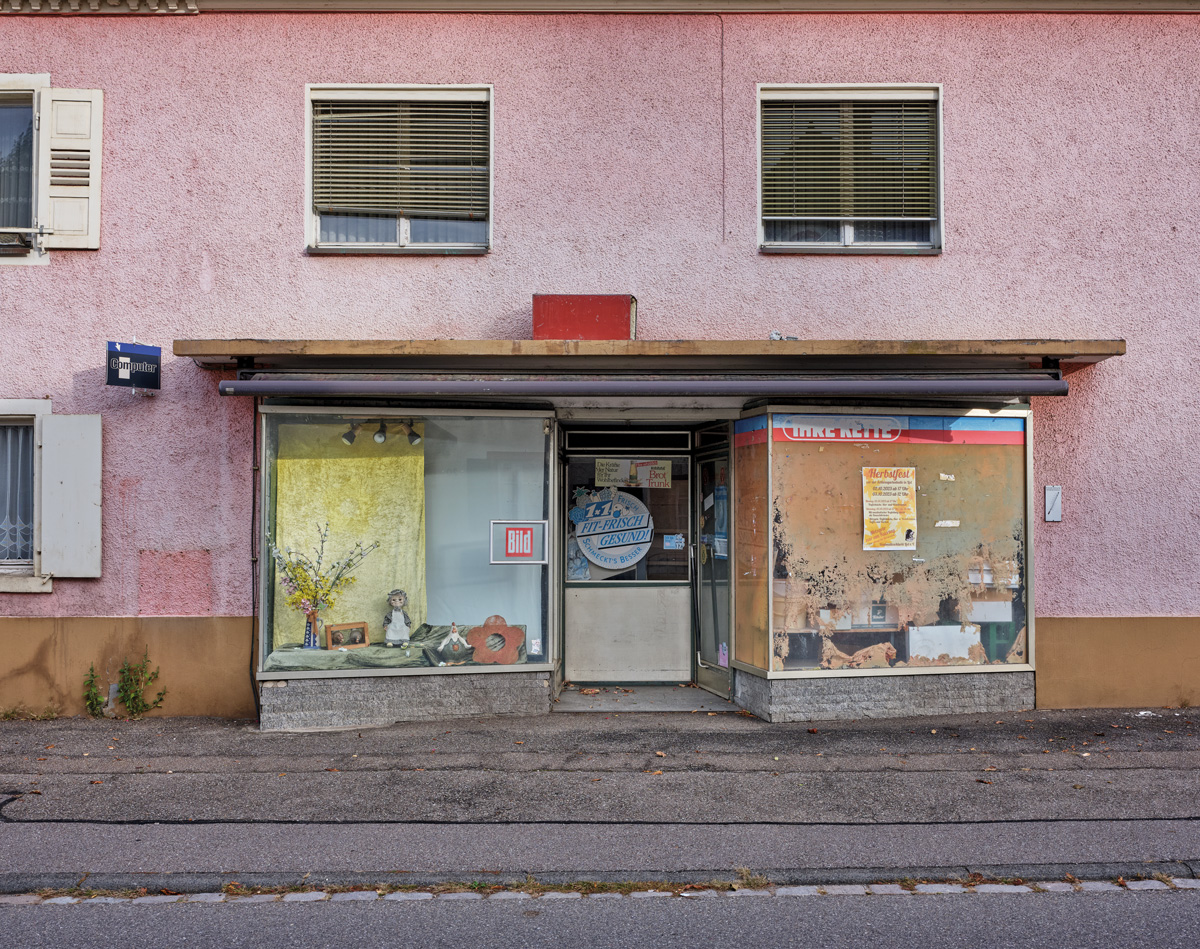
Das ehemalige Bäckereigeschäft eines Dorfes im Markgräflerland.
Die Dekoration der linken Seite wechselt in unregelmässigen Abständen wie von Geisterhand.
Als lebte alles weiter.
Als würden die Figuren zum Trotz nachts tanzen und die Welt verspotten aus ihrem Käfig.
Als würden Sie ihr Dasein für die Ewigkeit bezeugen wollen.
Als warteten sie auf neue Kunden.
Die Blüten kunststoffblühend niemals verwelken, fit, frisch, gesund.
In großer Liebe der Abschied nicht gestattet ist.
Tausend Tränen im Schaufenster.
A former bakery shop in a village in Markgräflerland.
The shop window decoration on the left side changes every now and then as if a ghost lived there.
As if life still goes on.
As if the stuffed dolls danced around at night, in spite and laughed at the world outside from the inside of their cage.
As if they wanted to prove their existence for eternity.
As if they were waiting for the customers.
The flowers, artificial, never dying, fresh and blooming.
In adoration, refusing to say farewell.
One thousand tears in a shop window.
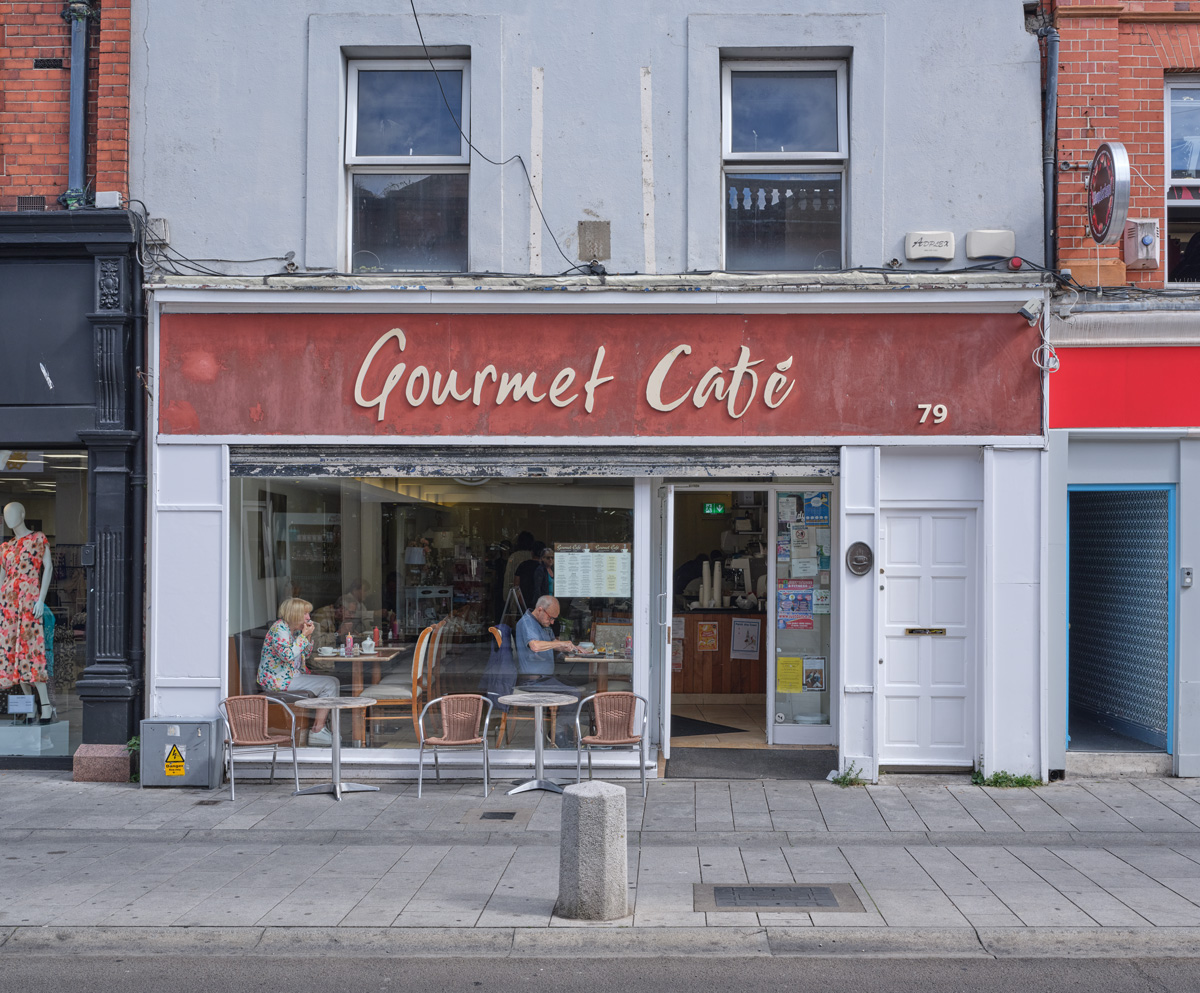
Die weiche Beschaffenheit des Toastes nachfühlen können, wenn die Hand breitflächig und das Messer stumpf versuchen, es zu schneiden.
Die vorherigen Farben des Geschäftes finden im abblätternden Lack.
Die offene Elektrik und die Gefahr.
Wartende Stühle wie Stellvertreter.
Zigarettenstummel auf dem Boden als Zeugen für vergangene Anwesenheit.
Ein Poller mit seinem Schatten als Sonnenuhr.
Die Tiefe des Eingangs und das Geheimnis dahinter.
Die einsamen Mahlzeiten und die abwesenden Menschen am Tisch.
Eine schier endlose Reihung Essender.
Der warme Tee in der Tasse.
Zuhaus und Heimat.
Dunlaoghoire, Irland
Anticipating the soft texture of the toast as the hand widen holding a blunt knife to cut the toast.
The previous colour of the café visible through the chipped paintwork.
The bare electrical wires, the danger.
Chairs waiting like representatives.
Cigarette butts on the footpath acting like silent witnesses of passer byes.
The depth of the entrance and the secret behind it.
The shadow of a pillar like a sun dial.
The lonely meals and the blank faces of people at the table.
The sheer never ending row of people eating.
Hot tea in a cup.
Home and hometown.
Dunlaoghoire, Irland
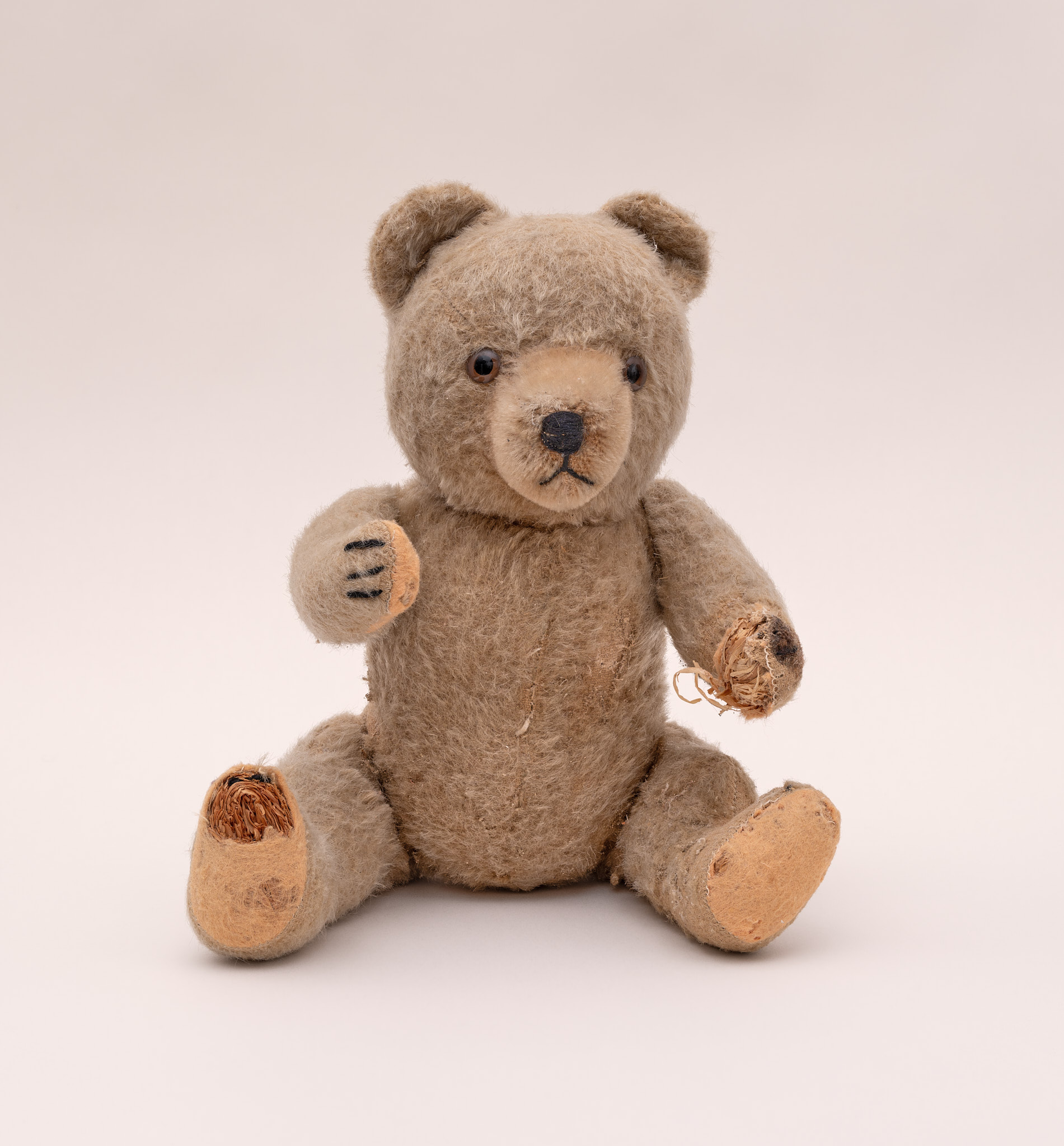
Stummer Zeuge von Liebe und Halt.
Der Teddybär aus den Kinderjahren meines an Demenz erkrankten Vaters.
Er sitzt an innerem Orte mit sich allein alles Vergessend und spricht gebetsmühlenartig leise vor sich hin:
"Müde bin ich, geh zur Ruh, schliesse beide Äuglein zu.
Vater, laß die Augen dein über meinem Bette sein!
Hab ich Unrecht heut getan, sieh es, lieber Gott, nicht an!
Deine Gnad und Jesu Blut macht ja allen Schaden gut.
Alle, die mir sind verwandt, Gott, laß ruhn in deiner Hand!
Alle Menschen, groß und klein, sollen dir befohlen sein.
Kranken Herzen sende Ruh, nasse Augen schließe zu.
Laß den Mond am Himmel stehen und die stille Welt besehn!
(Luise Hensel, 1876)
A silent witness of love and strength.
My father’s teddy bear. My father sits inside of himself, forgetting and losing everything, in a chair alone and whispers continuously quiet prayer:
"Weary, I lie down to sleep,
Close my eyes and trust you’ll keep.
Lord, your loving, watchful eye
O’er this bed where now I lie.
From the sins that marred this day
Turn, O Lord, and look away
To the Cross by which your Son Rights the wrongs that I have done.
Family members everywhere,
Keep, O Lord, within your care.
Humankind of every race
Let your loving arms embrace.
To the grieving, grant your peace. Let the weeping find release.
Hold us firm, keep faith alive,
Till we all in heav’n arrive."
(Luise Hensel, 1876)
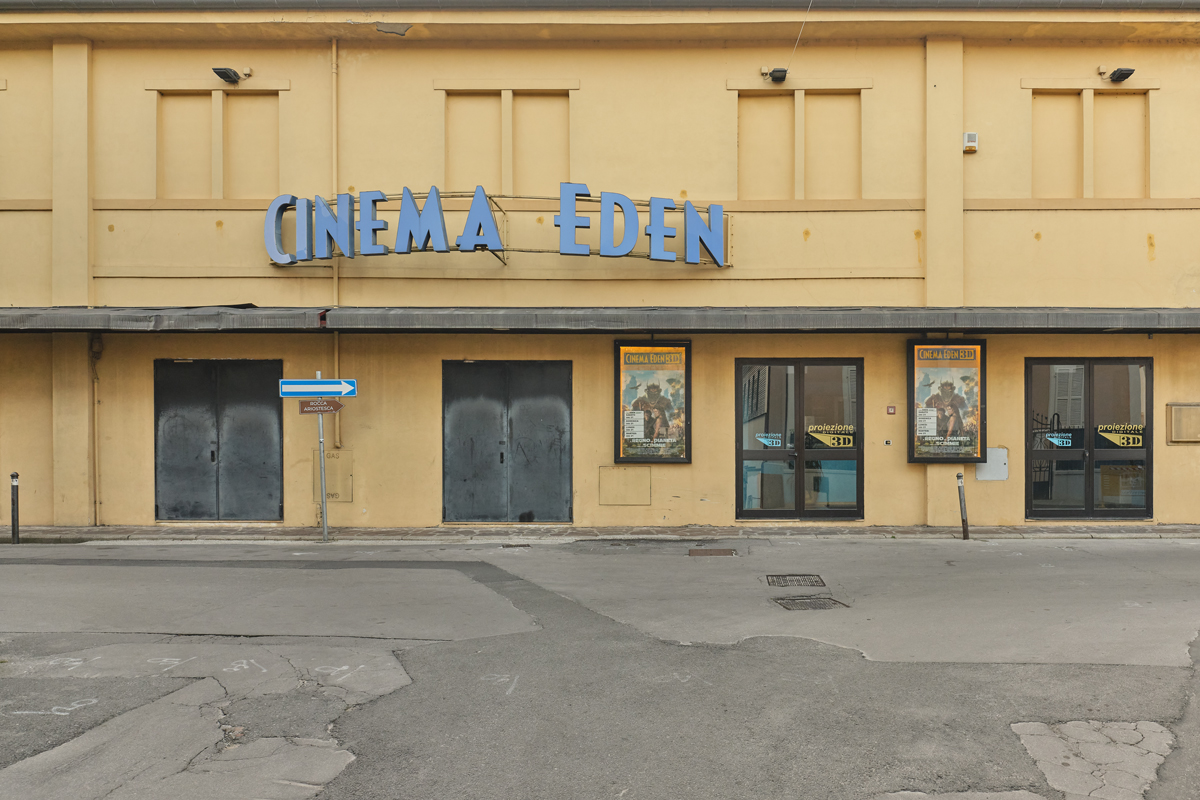
Planet der Affen, Castelnuovo di Garfagnana.
Planet of the apes, Castelnuovo di Garfagnana.
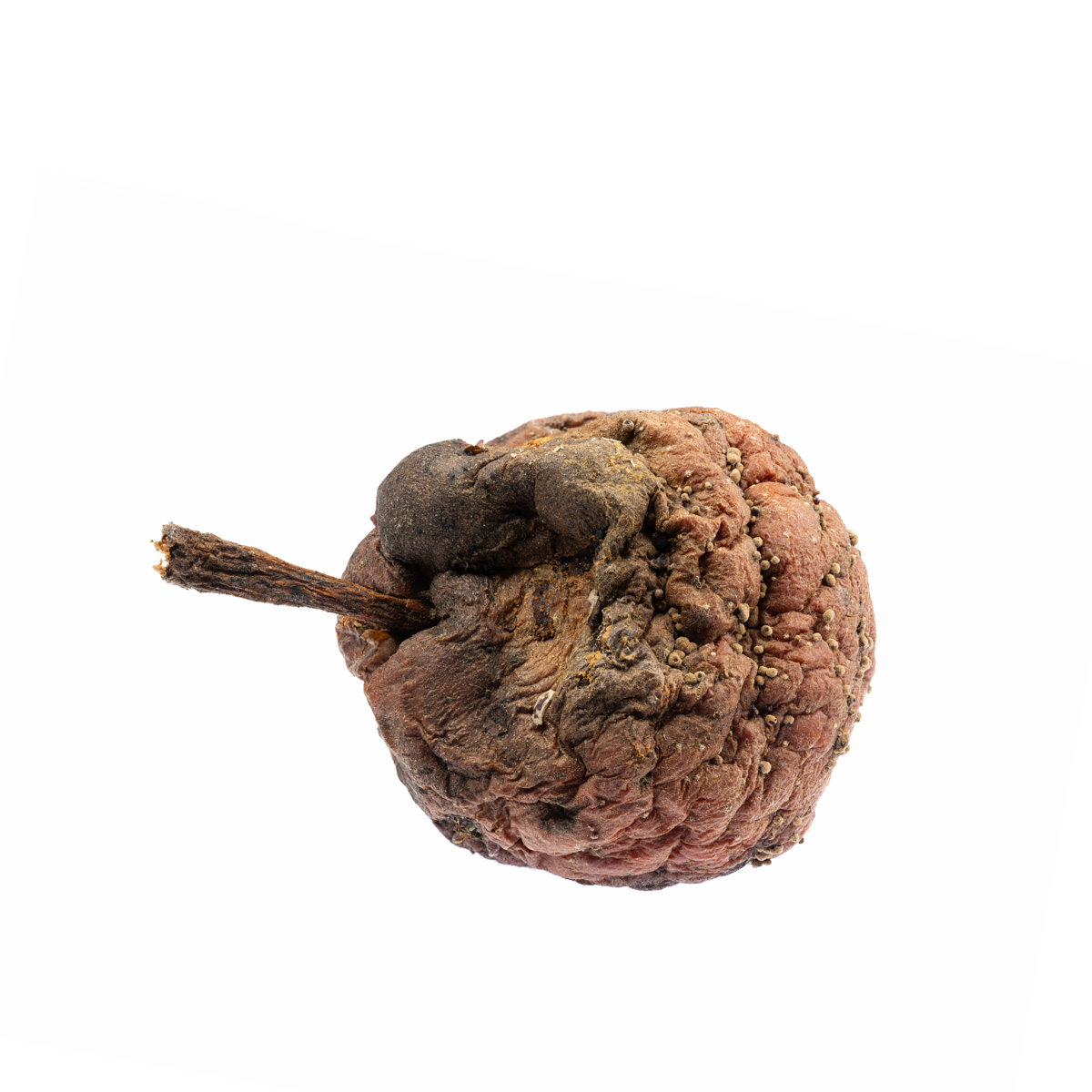
Vergessener Apfel vom Baum des Kindergartens aus dem Vorjahr.
Forgotten apple from the tree of the kindergarten from the previous year.
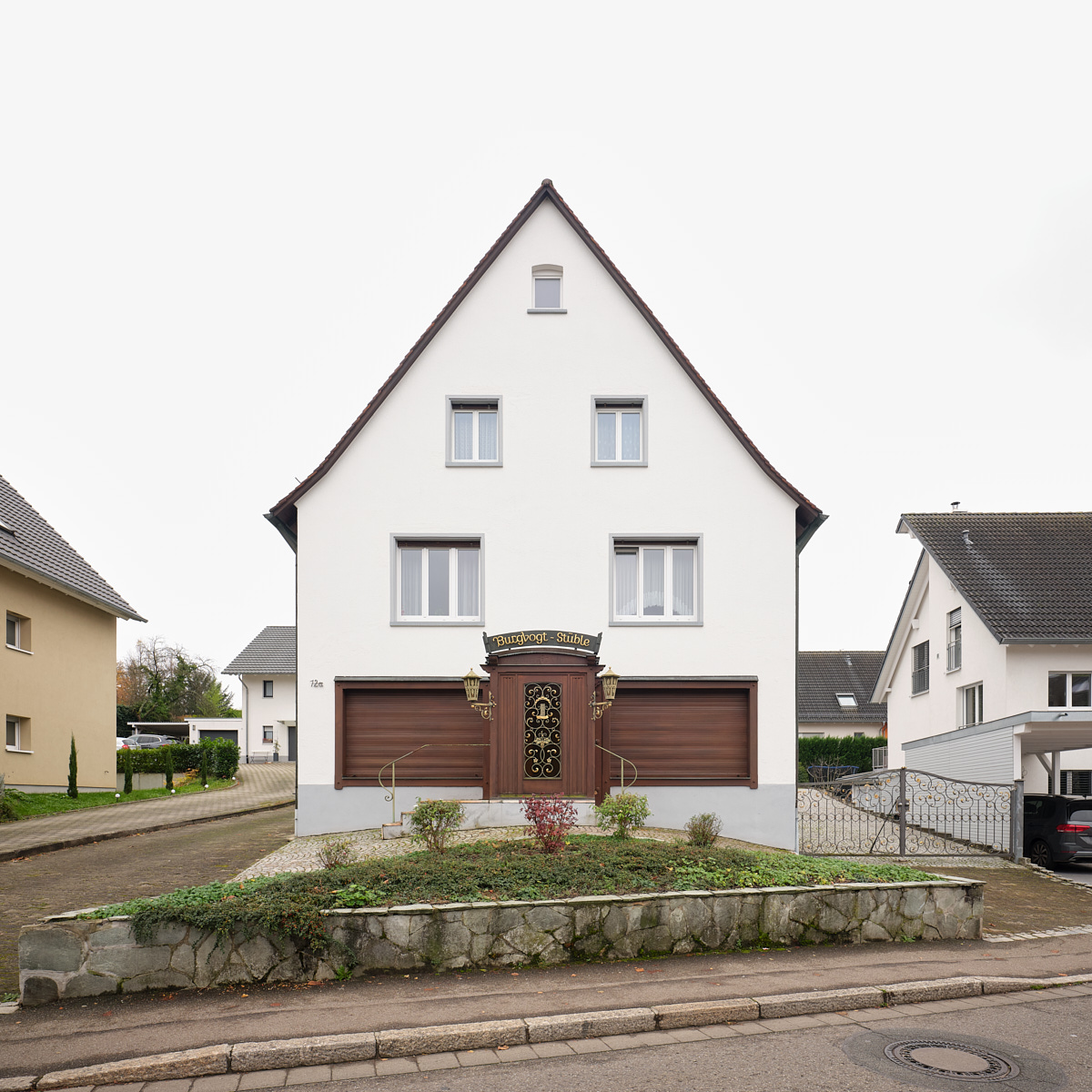
Die Gespräche. Das Schweigen. Geschlossene Heimat. Alles gesagt.
Auserzählt hat es sich!
The conversations. The silence. Closed home. Everything said.
Nothing more to tell!
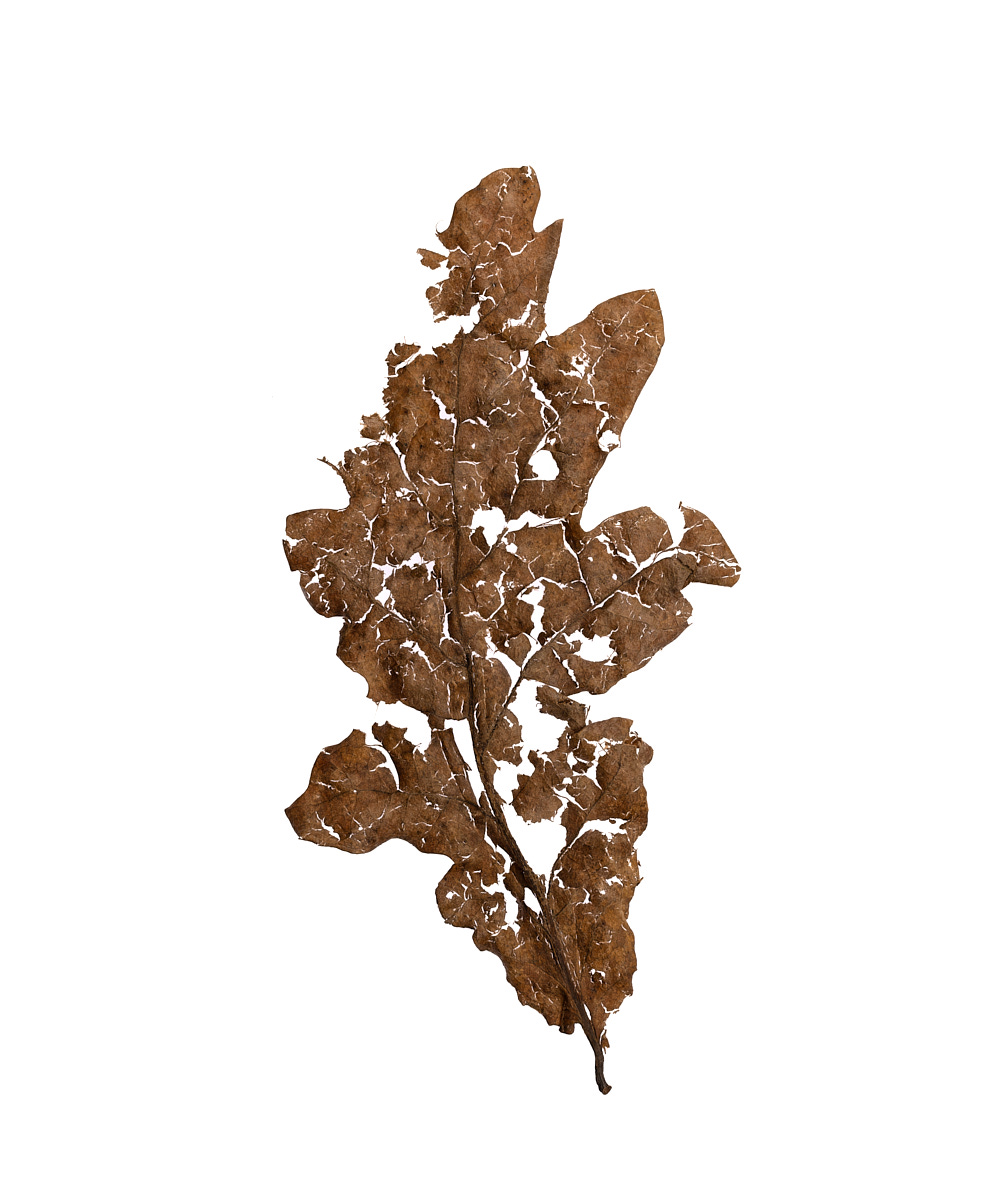
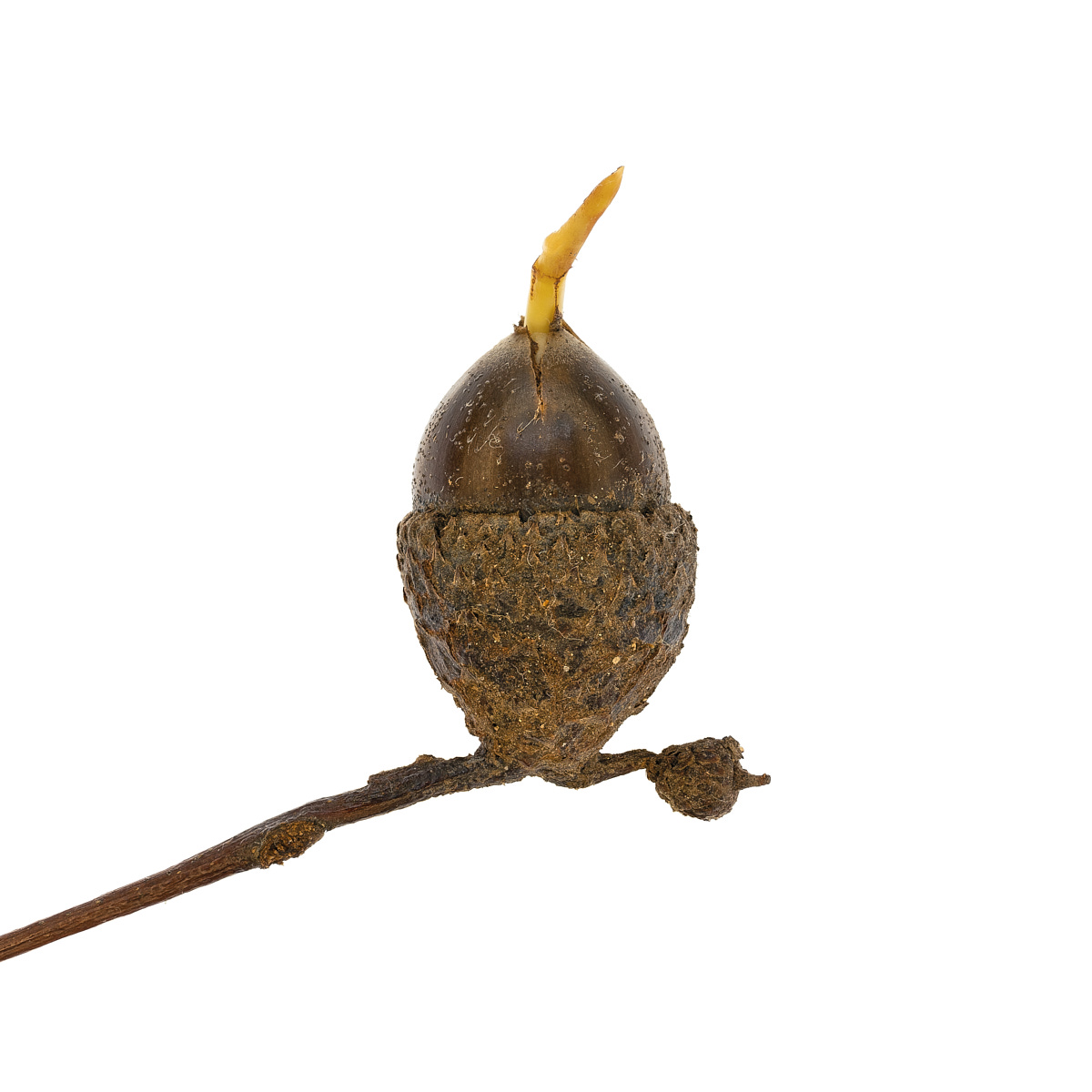
Eichenblatt von 2022. Gefunden 2023.
Oakleaf from 2022. Found in 2023.
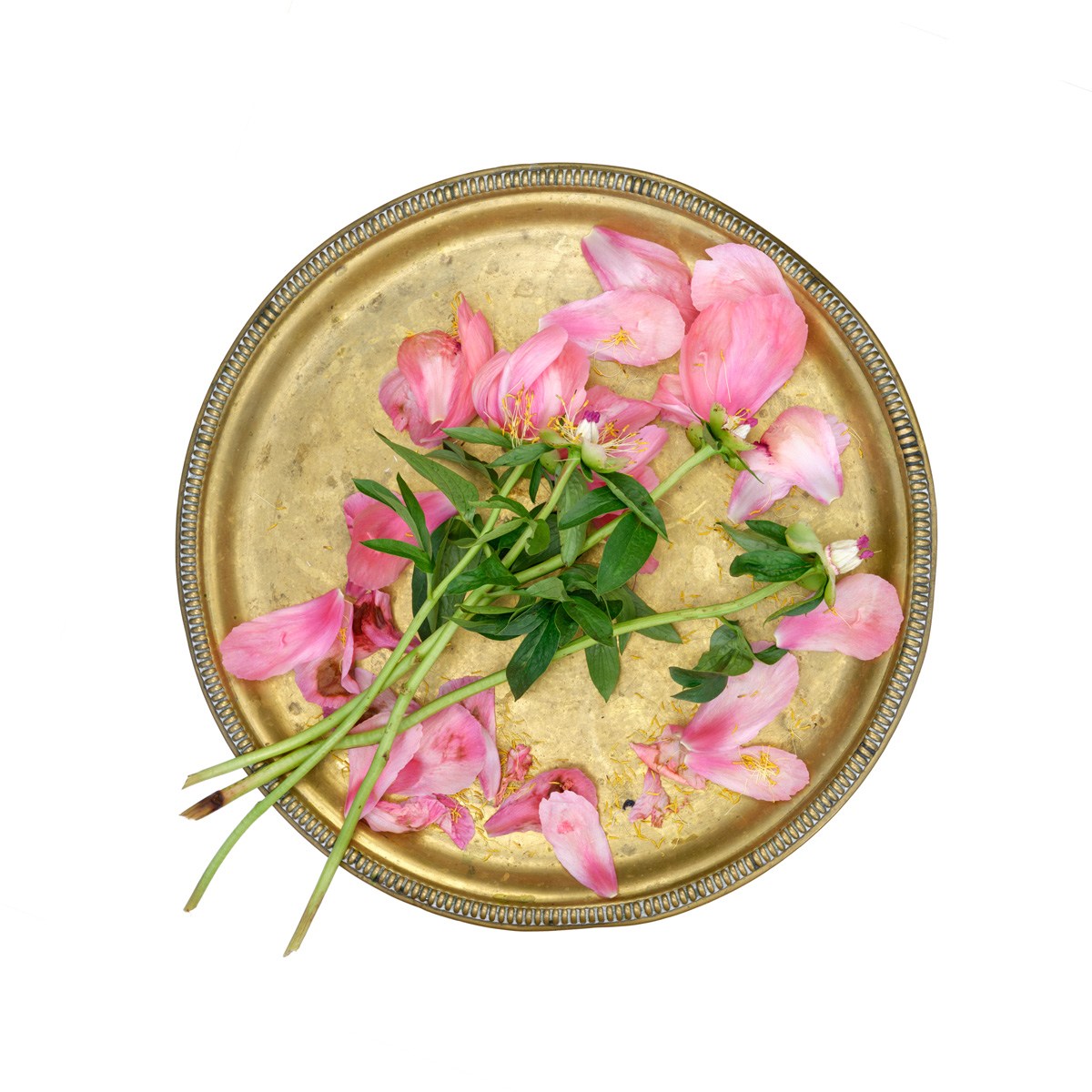
Verblühte Pfingstrosen auf Messingteller.
Faded peonies on a brass plate.
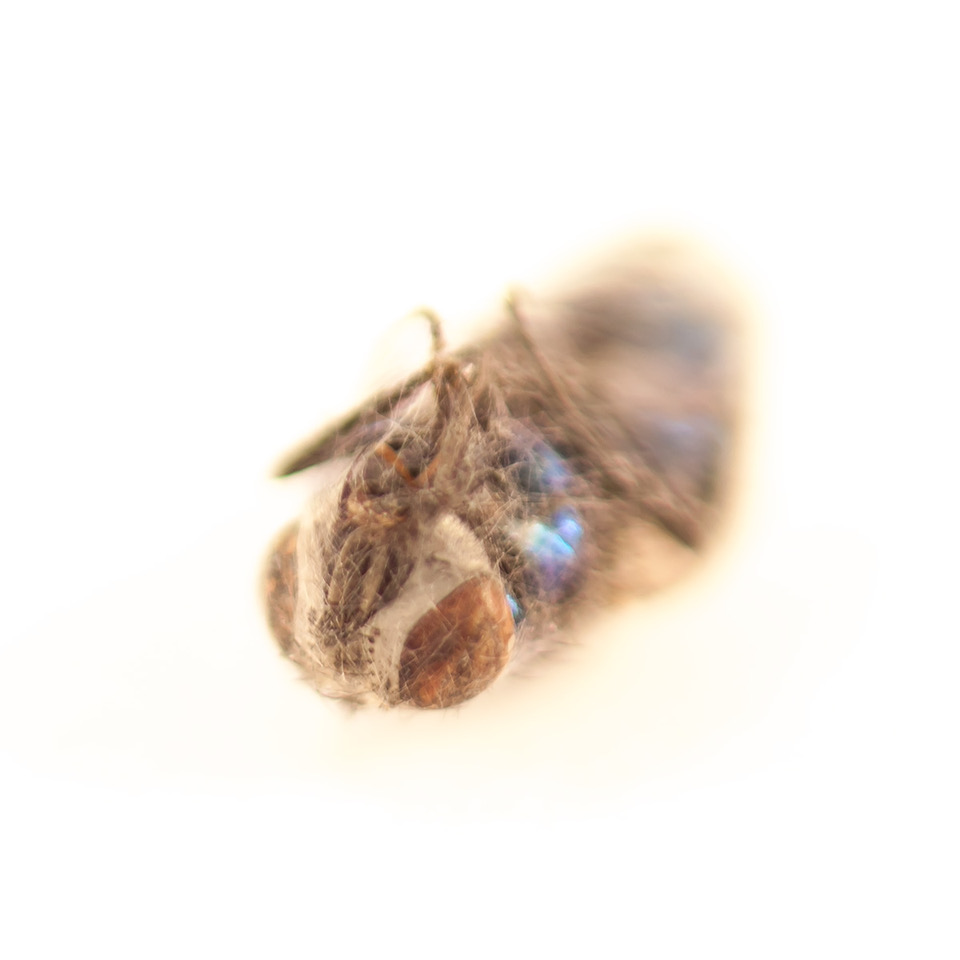
Skelettierte Fliege umwoben mit Spinnenfäden.
Skeletonized fly surrounded by spider webs.
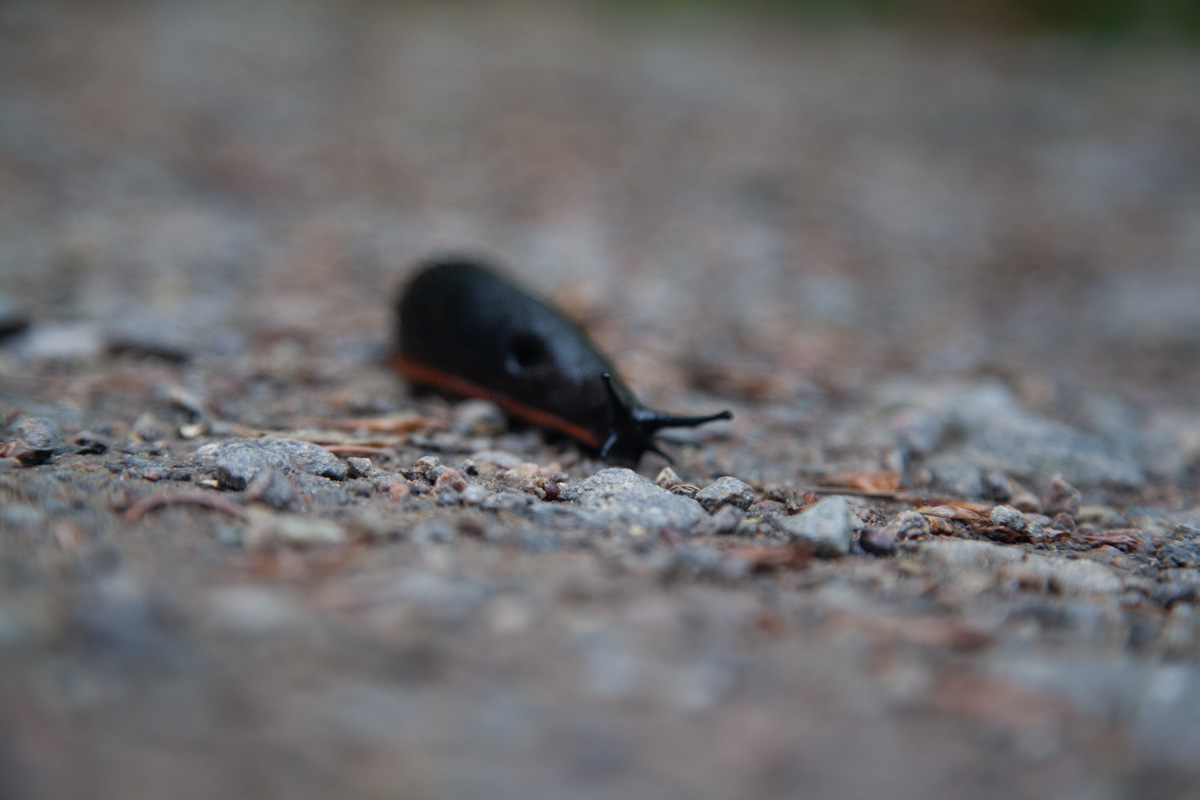
Langsam in den Schärfebereich kriechen.
Slowly crawl into the focus area.
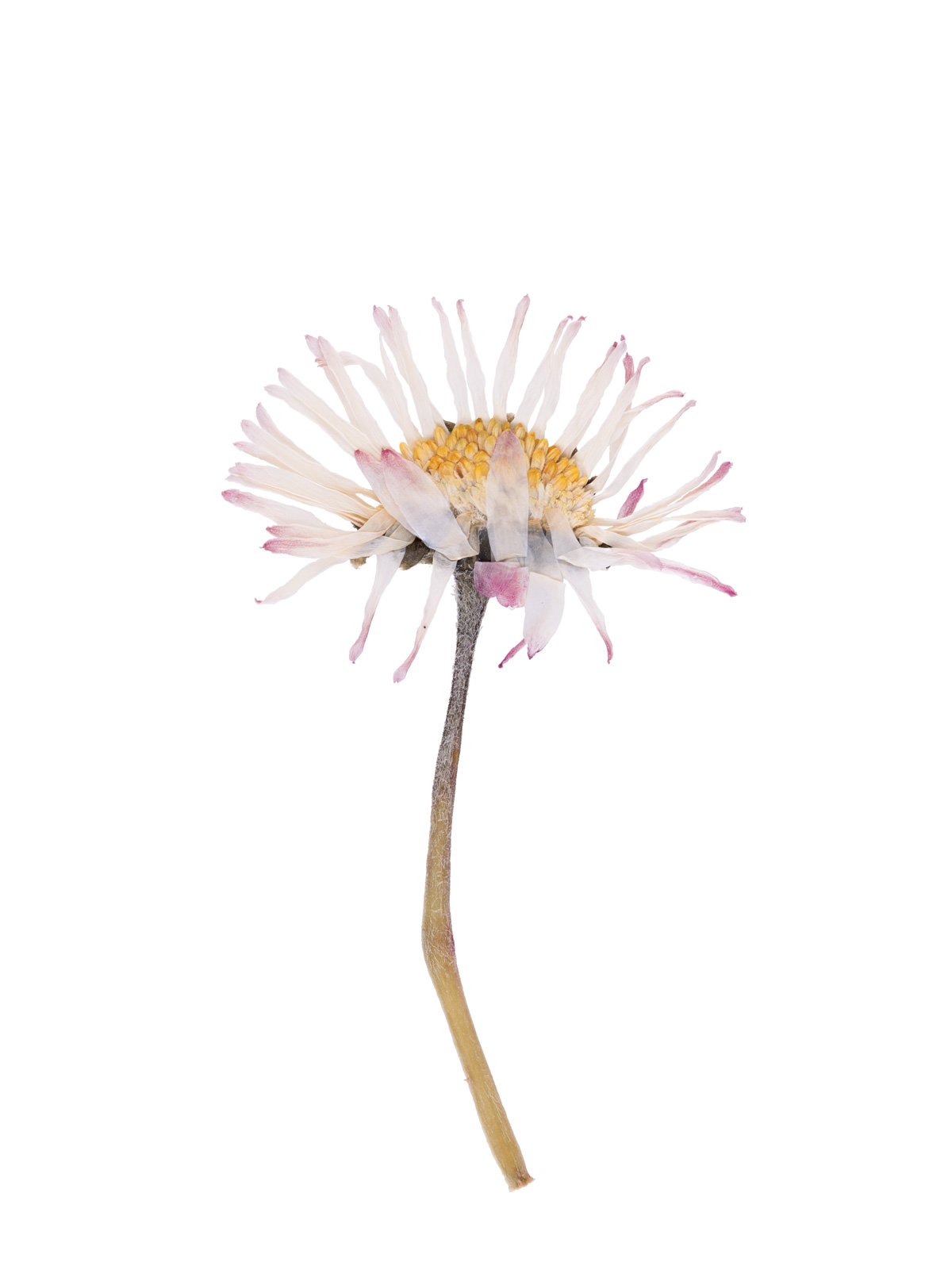
Marienblümchen, gepresst. Zufallsfund beim Blättern in einem alten Gedichtband.
Common daisy, pressed. Found by chance in an old poem book.
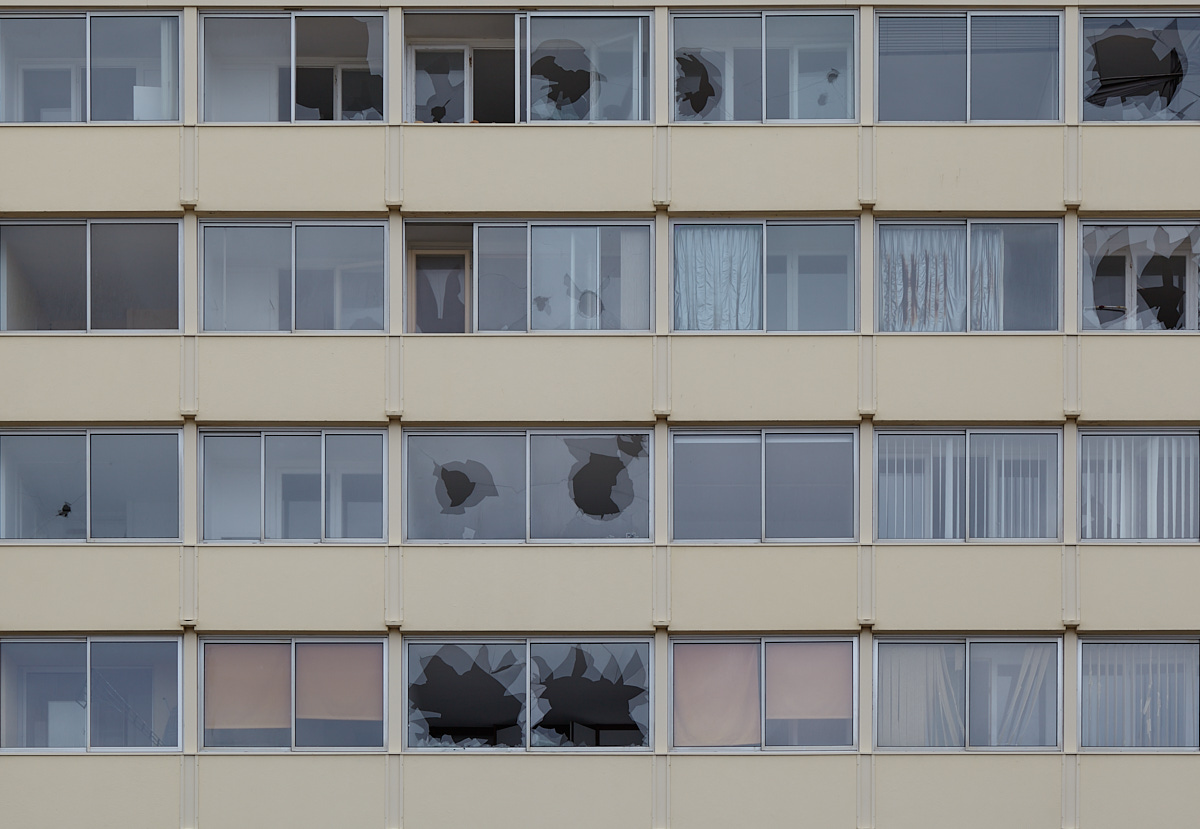
Die schöne Ordnung,
der friedsame Gleichklang,
das ruhige Nebeneinander der Gedanken,
geraten schneller aus den Fugen als das Hirn folgen kann.
Das, was es nicht zu denken wagt,
geschieht eines sonnigen Tages einfach,
oder in einer mondhellen Nacht.
Oder eines frühen Morgens noch vor dem Aufstehen,
liegt alles in Trümmern.
Das Kind in den Armen.
The beautiful harmony,
the peaceful order,
thoughts flying quietly side-by-side,
suddenly running amok quicker than the brain can fathom.
The unthinkable simply unfolding on a sunny day
or a moonlit night.
Perhaps early in the morning even, before getting up,
everything in ruins.
The child in your arms.
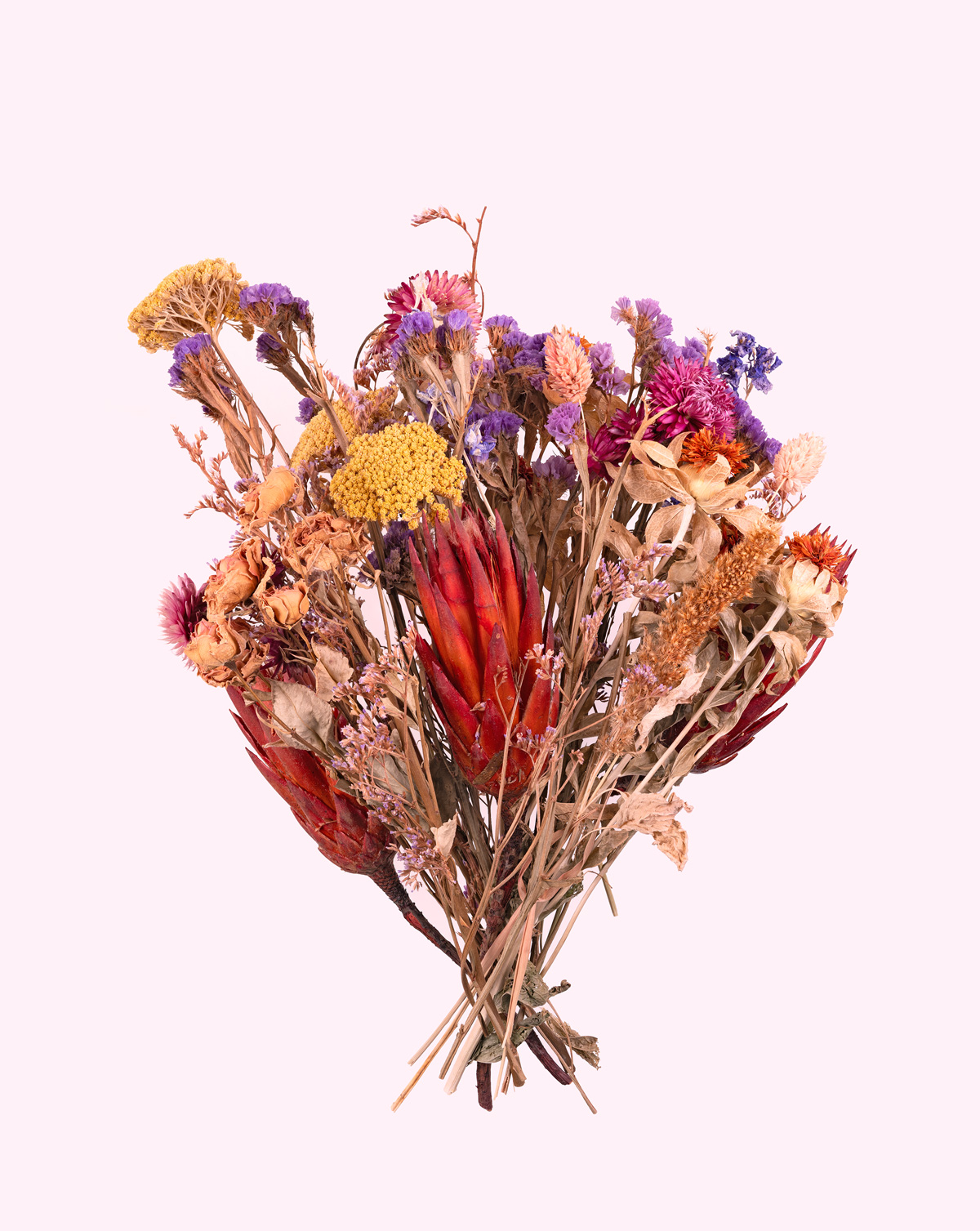
Der Trockenstrauß. Das Geschenk einer guten Freundin für das Zimmer meiner verstorbenen Frau. Er stand immer auf dem alten schwarzen Vertiko. Alles hat er gesehen. In stiller Ausdauer und vertrockneter, üppiger Bescheidenheit. Zum Erfreuen an der scheinbar dauerhaft konservierten Schönheit, zerbrechlich und starr legt Staub sich auf. Blüte für Blüte knickt nach und nach bei jedem Pusten. Kleine Blätter zerfallen fast schon beim bloßen Anblick. Ich habe den Strauß neu arrangiert nach einigen Jahren und trotzig fotografiert um ihn nochmals zu konservieren.
The dried flower arrangement. A gift from a good friend for my late wife's room. It always stood on the old black sideboard. It had seen everything. With quiet perseverance and withered, lush modesty. To delight in its seemingly permanently preserved beauty, fragile and rigid, dust settles upon it. One by one, blossoms falter with every breath. Small leaves almost crumble at the mere sight of them. I rearranged the bouquet after all these years and defiantly photographed it to preserve it once more.
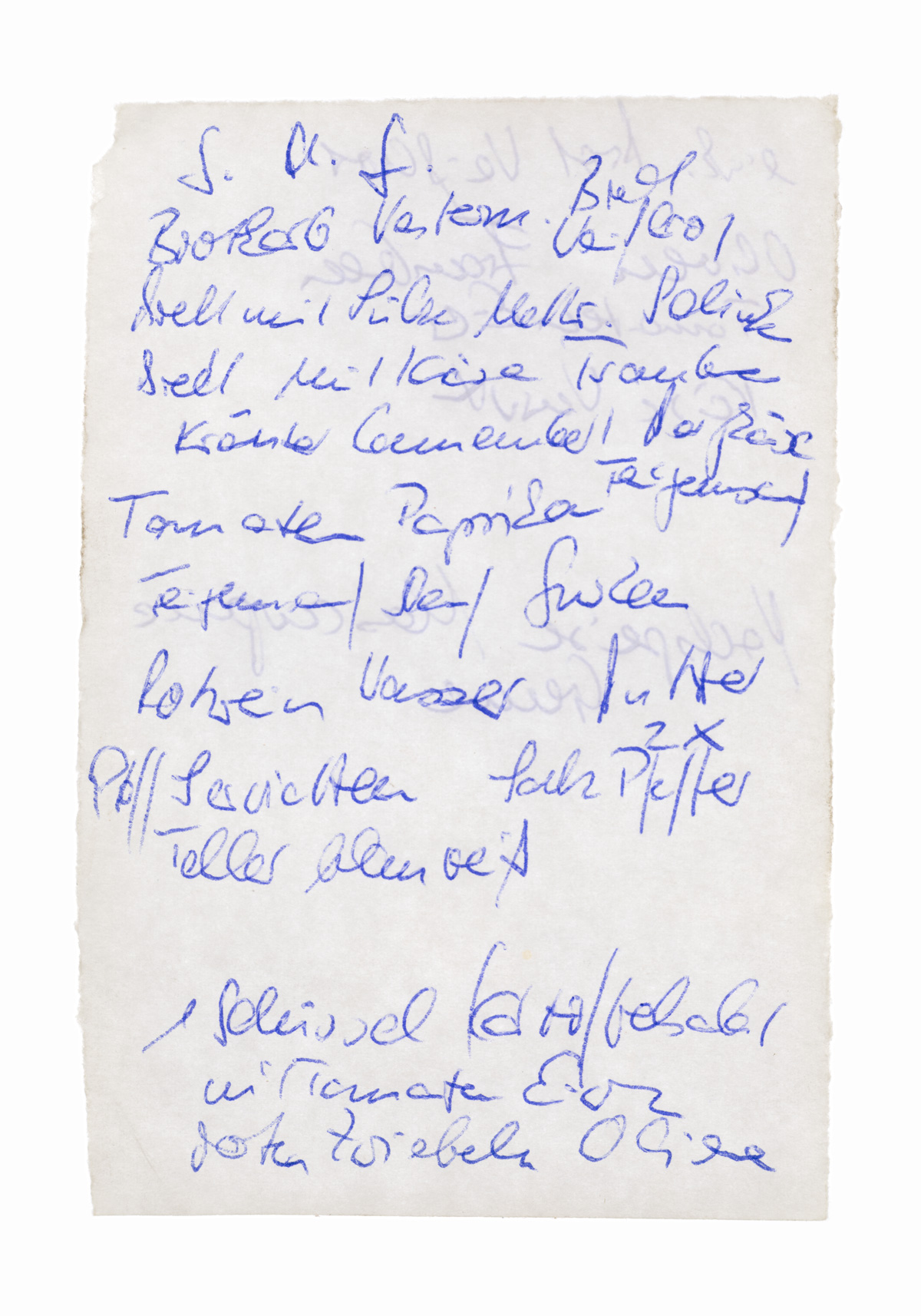
Suche nach dem, was bleibt. Ewige Zeiträume der Kindheit, in denen die Zeit so unvorstellbar weit in der Ferne lag, verschmelzen zu Lichtblitzen. Mutter!? Suchen nach einer Verbundenheit. Versuchen, die zärtliche Umarmung zu rekonstruieren. Die Geborgenheit zurückzuholen. Versuche jeden Erinnerungsstrohhalm zu greifen. Wieso versagt meinen Konzentration? Nichts bleibt haften, als sperre sich mein Hirn gegen ein Gefühl. Wie aus ihm herausgestanzt, geschnitten, verbrannt. Leere und Rauschen. Augen verkleben, Ohren verschmalzen, Nasenschleim verdickt, Seele verklebt, Gedanken flüchten. Solch ein unfassbar dunkler Raum. Fallen in die Leere. Vakuum. Sauerstoff erschöpft sich beim ersten Gedanken. Nacken schmerzt. Das kann doch nicht wahr sein. Ich sehe den Zettel und bewundere diese klare, starke Schrift. Diese Lust nach Kartoffelsalat. Es fehlt noch der Hering in Sahnesoße und die Kartoffeln dazu. Ein Zeuge ihrer Existenz. Ein Beweismittel. Ein Ansatz. Was ist geschehen?
Searching for what remains. Eternal periods of childhood, when time seemed so unimaginably distant, merge into flashes of light. Mother!? Searching for a connection. Trying to reconstruct the tender embrace. To recapture the feeling of security. Trying to grasp at every straw of memory. Why is my concentration failing me? Nothing sticks, as if my brain is blocking a feeling. As if punched out, cut, burned from it. Emptiness and noise. Eyes sticking shut, ears smearing, nasal mucus thickening, soul stuck together, thoughts fleeing. Such an incomprehensibly dark space. Falling into the void. Vacuum. Oxygen is depleted at the first thought. Neck aches. This can't be true. I see the note and admire the clear, strong handwriting. This craving for potato salad. All that's missing is the herring in cream sauce and the potatoes to go with it. A witness to her existence. A piece of evidence. A starting point. What has happened?